5 Best IKEA Bookshelves for Modern Homes: Ranked and Reviewed
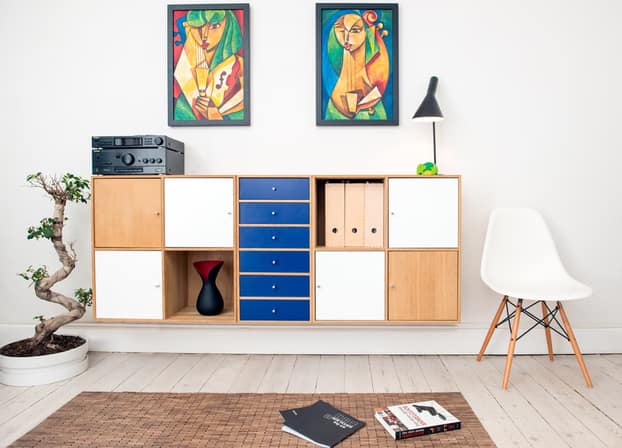
A bookshelf can either make a room look pulled together or scream, “I bought this during a furniture emergency.” That is where SelectRanker comes in handy for comparison-minded shoppers, while IKEA offers plenty of shelving choices to inspect. I looked at five popular options with modern homes in mind, judging them by style, flexibility, storage, and how easily they can live with your everyday mess. Yes, bookshelves have personalities. Some are quiet organizers. Others want the spotlight. This lineup covers everything from the famous BILLY to the glassy VITTSJÖ. Prices and availability can change, so the practical details below reflect IKEA’s current U.S. listings.
1. BILLY: The Reliable Classic
BILLY takes the top spot because it understands the assignment. Its adjustable shelves make it easy to store tall books, small decorations, baskets, or that mysterious vase you refuse to throw away. IKEA currently lists a 31 1/2 by 11 by 79 1/2 inch white version at $79, with a 4.6-star rating from more than 3,000 reviews. The slim depth also works nicely in apartments and smaller living rooms. You can use one unit or build a larger wall of storage with the broader BILLY range. The look is simple, so it can blend into minimalist rooms without demanding attention. For pure practicality, this one is tough to argue with.
2. KALLAX: The Storage Chameleon
KALLAX is where things get fun. Its square compartments can hold books, baskets, records, toys, plants, and approximately 47 things you thought you had lost. IKEA says the series can stand vertically or horizontally, and inserts and boxes let you customize the storage. That flexibility makes KALLAX particularly useful in modern homes with changing needs. A horizontal unit can work beneath a television, while a taller version can act as a room divider. The clean grid has a strong contemporary feel. Just remember that open cubes can expose clutter, so baskets become your secret weapon.
3. LOMMARP: The Stylish Statement

LOMMARP brings a more furniture-like personality to the list. Its dark blue-green finish and traditional carpentry-inspired details give it more visual weight than BILLY. The current bookcase has three movable shelves, one fixed shelf, and a maximum shelf load of 40 pounds. It costs more, but the payoff is a richer appearance. This is a good pick for someone who wants storage that looks intentional rather than purely functional. The tall silhouette can anchor a living room or reading corner beautifully. Basically, LOMMARP arrives wearing a blazer.
4. VITTSJÖ: The Light and Airy Pick
VITTSJÖ takes a completely different route with steel framing and tempered glass shelves. IKEA describes its design as straightforward and open, which makes it useful for displaying books, plants, artwork, and collectibles. The tall 20 1/8 inch wide version currently has a 4.6 rating from more than 400 reviews. The airy structure can make a room feel less crowded than a bulky cabinet. That is especially useful in compact modern spaces. The glass does require more care than a solid shelf because fingerprints and dust love making themselves known. Also, IKEA says VITTSJÖ must be securely anchored to reduce tipping risk.
5. HEMNES: The Warm Wood Option

HEMNES finishes the list with a more traditional appearance and solid wood construction. IKEA describes the bookcase as providing a warm feeling, while the shelves can be adjusted for different storage needs. The current white-stain version is 19 1/4 inches wide and 77 1/2 inches tall. This option makes sense for homes mixing modern furniture with warmer, classic pieces. It feels less stark than some minimalist shelving. The tradeoff is price, with the listed U.S. version currently at $299. If your goal is a bookshelf with a little more furniture character, HEMNES deserves a serious look.
The best IKEA bookshelf depends on the room and the mess it needs to tame. BILLY favors straightforward storage, KALLAX brings flexibility, LOMMARP adds personality, VITTSJÖ keeps things airy, and HEMNES brings warmth. A good shelf should hold your stuff without making the room feel like a storage unit. Choose accordingly, and maybe your books will finally stop living in random piles on the floor.…






 Real estate investments can yield high returns over time, depending on the location and type of property chosen. Investment properties can generate income through rent or appreciation, both of which can provide a steady stream of income to investors. Plus, real estate investments are tangible assets, meaning they can often be sold quickly and easily later on.
 Real estate investments can be held for the long term, which can give investors more flexibility in terms of when they choose to sell. This means that investors have more control over their finances and can make decisions based on what’s best for them instead of being forced to liquidate due to external factors.
 The first mistake that many
  The last mistake that we will discuss is making an emotional decision when buying a home. It is important to remember that a home is just a piece of property and should be treated as such. Many people get caught up in the emotion of buying a home and make decisions based on their feelings instead of their head.
 Ants are one of the most common household pests. They are attracted to food and moisture, so kitchens and bathrooms are often their primary targets. Ants can be a nuisance, but they’re usually not harmful. There are a few different ways to get rid of ants. You can try using baits, traps, or sprays. If you have a severe ant problem, you may need to call an exterminator.
 Termites are one of the most common household pests. They are small, winged insects that live in colonies underground. Termites eat wood, and they can cause a lot of damage to your home if they are not dealt with quickly. If you think you have termites, it is important to call a pest control professional immediately.


 Before hiring the best realtors, it is essential to schedule appointments to conduct interviews. Asking the listing agent questions will help you know how they operate and handle their clients. It is necessary to ask the expert how long they have been in business and if they have experience handling different situations. Real estate is an industry that needs much attention, and finding the right professional with the right skills will help market your home to potential buyers. Genuine realtors have websites where you can see how they market properties for sale.
 It is essential to ask the realtor for testimonials online and contacts of previous clients. Genuine real estate agents have contacts of past clients, and it is necessary to meet them to know about their experience when dealing with the agent. Consider asking the past clients whether the agent communicated effectively and if they followed the marketing and their work ethics to know if you are dealing with the right professionals that will help you to sell your home.
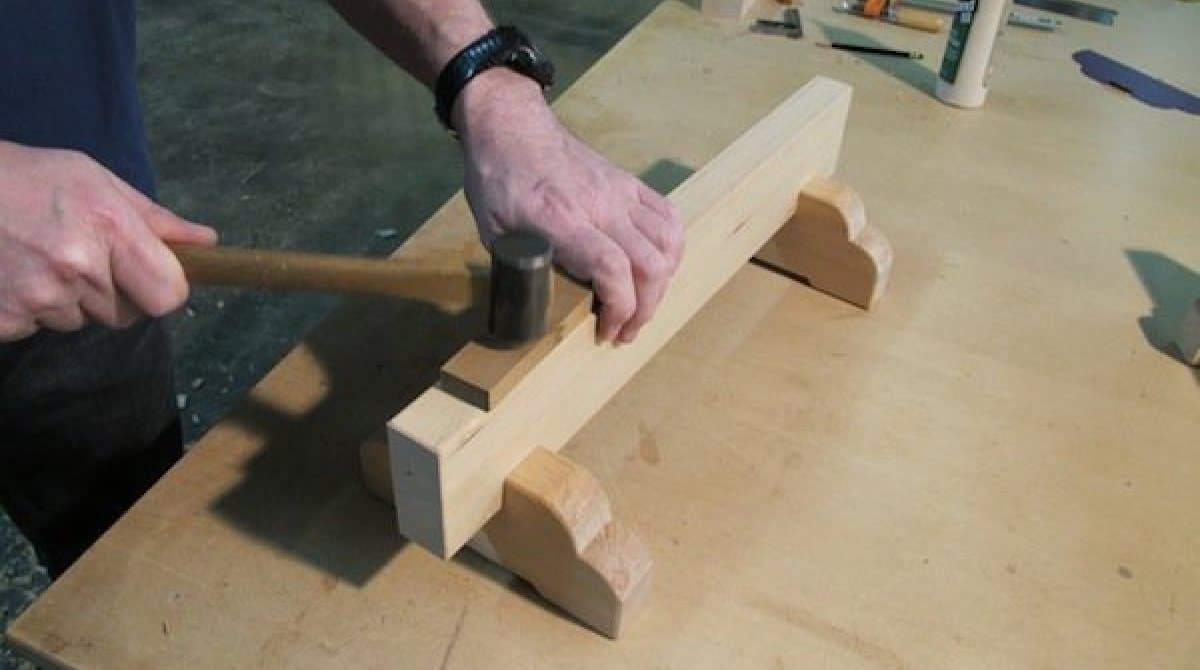
 When it comes to woodworking, you need to have the right tools. You need to have tools that will enable you to do the job. When starting, you can build your workshop with the necessary tools and get more as you grow your skills.

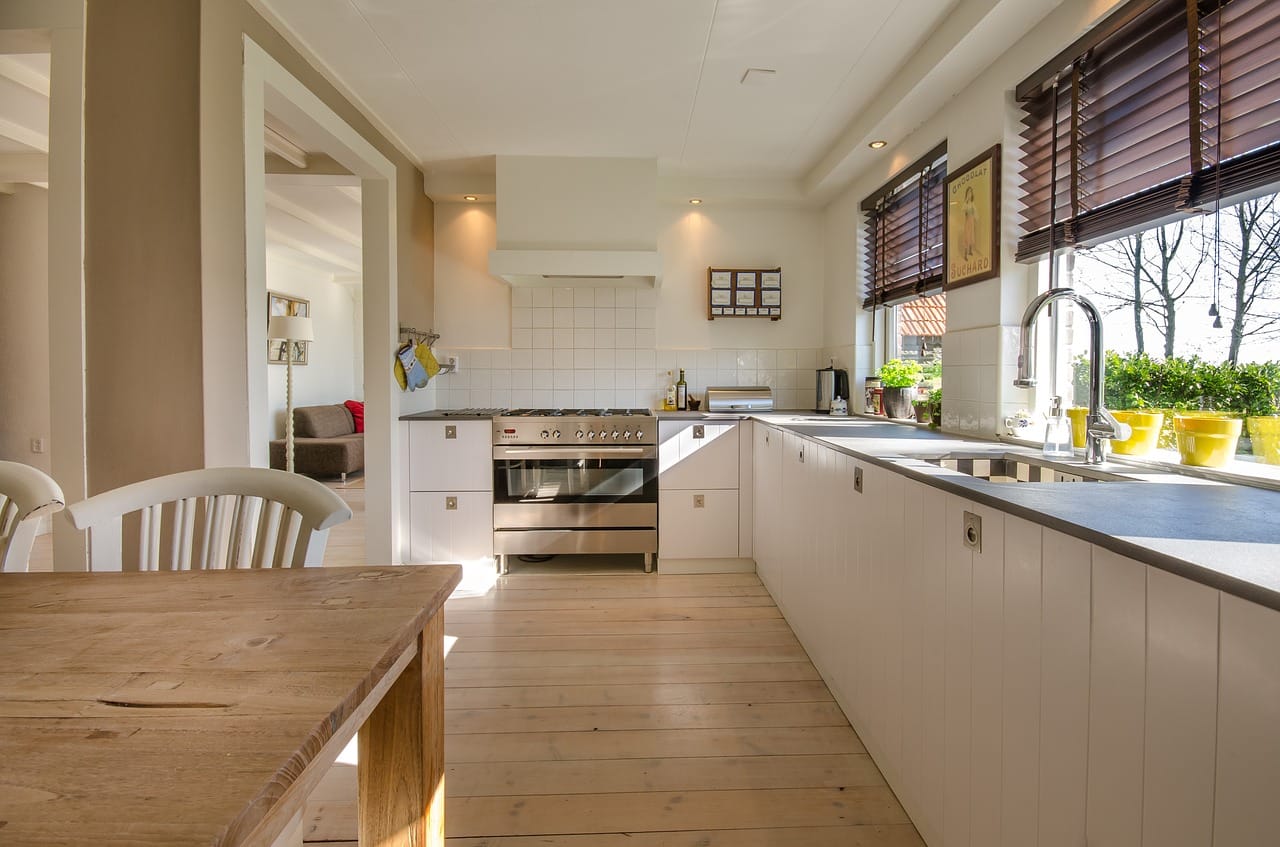



 to climb raised areas where you cannot reach when cleaning by yourself. They have the right workforce which ensures all the job is carried out within a short period. Keeping your home clean can be very beneficial. Here is why you should ensure it is always tidy.
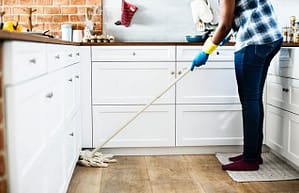 general appearance. This is when you arrange all your items in an orderly manner and also make some improvements in your living room. Friends will want to pitch camp in your house because of its proper arrangement and stunning appearance.…
 But it is vital to understand how property is valued before you rush to make your decisions. As mentioned above, you need to go through a property valuation report that includes all the valuable features of the property. This, therefore, will help both the prospective buyer and the owner to understand the current condition of the property. Below are the benefits of a home property valuation.
 When you are looking for a tenant to rent your property, it is essential to corporate with a home property valuation. It will offer a basic idea concerning the property and what you could get out of it in the form of a monthly lease fee.…